ETJava Beta | Java
 注册
登录
注册
登录
注册
登录
注册
登录
如图:
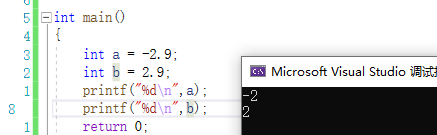
可以发现C语言a和b的取整方式都不是四舍五入,而是直接舍弃小数部分.(a四舍五入是-3,b四舍五入是3.)这种方式叫做零向取整.也是c语言中的默认取整方式
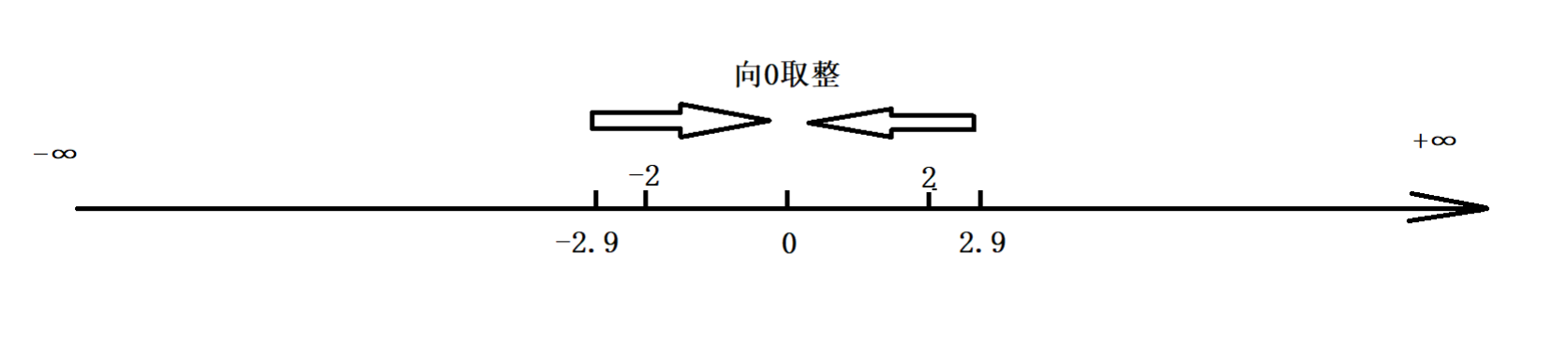
从图中可以看出无论是-2.9还是2.9,它们取整方向都是向着0的方向取整.
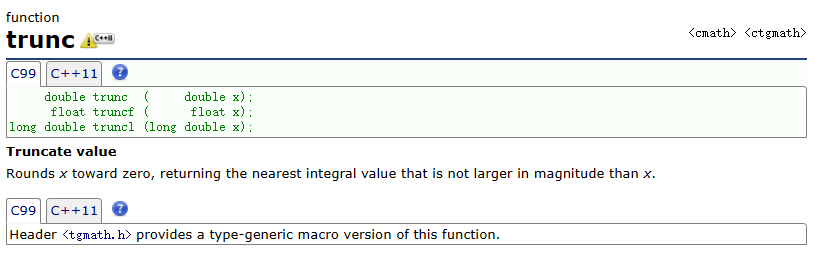
C语言<math.h>库中也有零向取整函数,它的返回值是浮点型,如果需要也是可以强转成int类型使用.
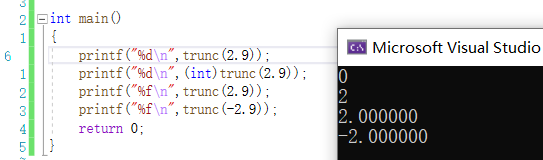
注意,%d不能直接接收浮点型,浮点型在内存空间中的布局和整型是不一样的,这点要注意.
如果需要转成整型使用,需要圆括号(int)强制类型转换.
这个名字有点奇怪,它是函数floor的翻译而来.
也叫向下取整,向左取整,向负无穷取整
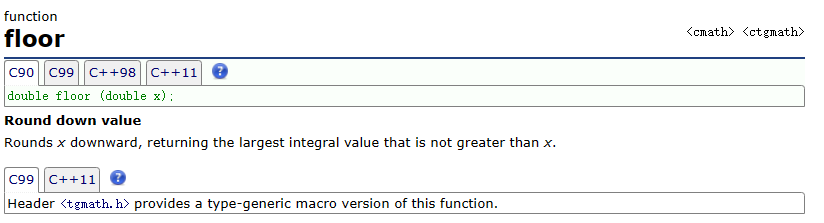

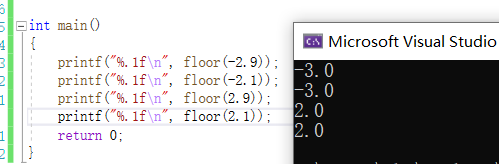
又称向右取整,向正无穷取整, 来源于ceil函数
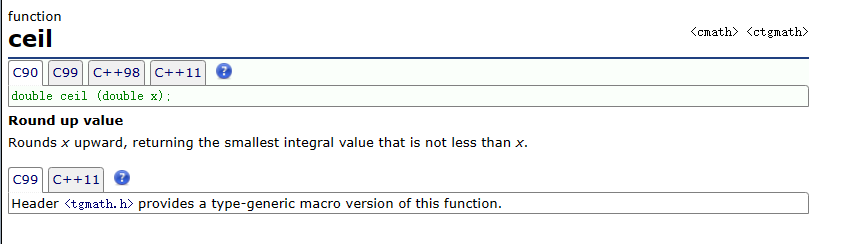

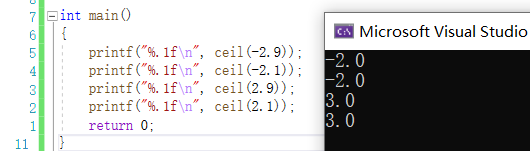
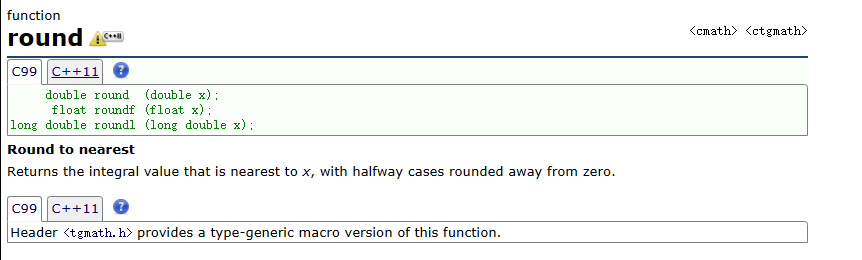
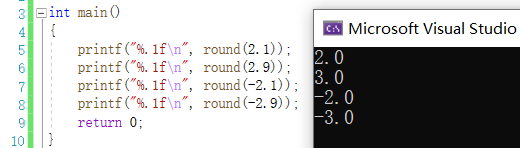
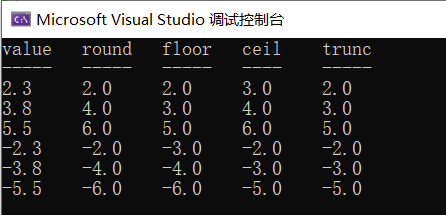
#include<stdio.h>
#include<math.h>

int main()
{
    const char * format = "%.1f \t%.1f \t%.1f \t%.1f \t%.1f\n";
    printf("value\tround\tfloor\tceil\ttrunc\n");
    printf("-----\t-----\t-----\t----\t-----\n");
    printf(format, 2.3, round(2.3), floor(2.3), ceil(2.3), trunc(2.3));
    printf(format, 3.8, round(3.8), floor(3.8), ceil(3.8), trunc(3.8));
    printf(format, 5.5, round(5.5), floor(5.5), ceil(5.5), trunc(5.5));
    printf(format, -2.3, round(-2.3), floor(-2.3), ceil(-2.3), trunc(-2.3));
    printf(format, -3.8, round(-3.8), floor(-3.8), ceil(-3.8), trunc(-3.8));
    printf(format, -5.5, round(-5.5), floor(-5.5), ceil(-5.5), trunc(-5.5));
    return 0;
}
 官方公众号
官方公众号