ETJava Beta | Java
 注册
登录
注册
登录
注册
登录
注册
登录
面试官经常喜欢问什么zookeeper选主原理、什么CAP理论、什么数据一致性。经常都被问烦了,我就想问问面试官,你自己还会实现一个简单的集群内选主呢?估计大部分面试官自己也写不出来。
本篇使用 Java 和 Netty 实现简单的集群选主过程的示例。
这个示例展示了多个节点通过投票选举一个新的主节点的过程。Netty 用于节点间的通信,而每个节点则负责发起和响应选举消息。
咱们且不说zookeeper如何选主,单说人类选主,也是采用少数服从多数的原则。人类选主时,中间会经历如下过程:
(1)如果我没有熟悉的或者没找到能力比我强的,首先投给自己一票。
(2)随着时间推移,可能后面的人介绍了各自的特点和实力,那我可能会改投给别人。
(3)所有人将投票信息放入到统计箱中。
(4)最终票数最多的人是领导者。
同样的,zookeeper在选主时,也是这样的流程。假设有5个服务器
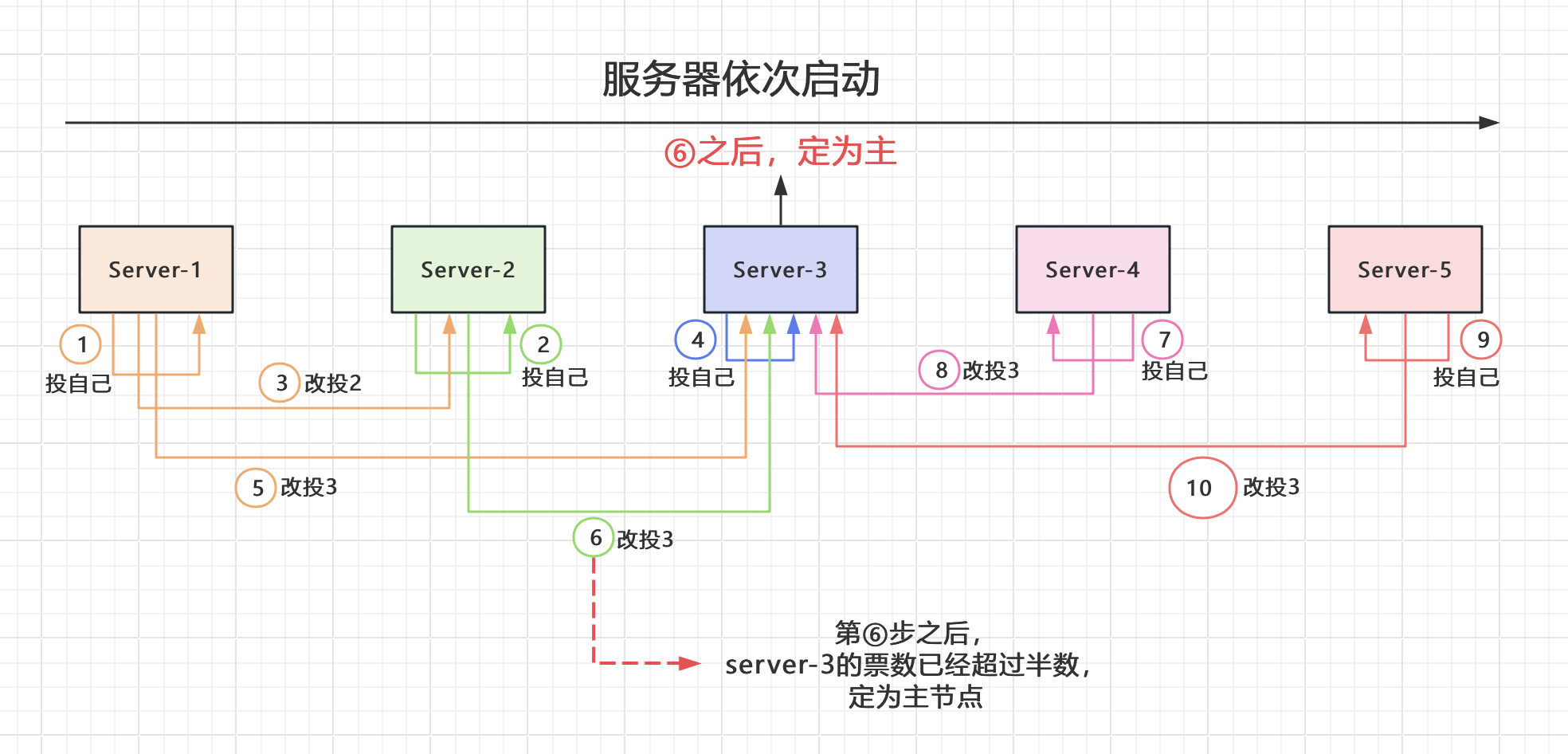
在选主过程中采用的是超过半数的协议。在选主过程中,会需要如下几类消息:
下面模拟3个节点的选主过程,核心步骤如下:
public enum MessageType {
        VOTE_REQUEST, // 投票请求
        VOTE,         // 投票
        ELECTED       // 选举完成后的胜出消息
}

public class ElectionMessage implements Serializable {
    private MessageType type;
    private int nodeId;   // 节点ID
    private long zxId;    // ZXID:类似于ZooKeeper中的逻辑时钟,用于比较
    private int voteFor;  // 投票给的节点ID
}

public class ElectionNode {
    private int nodeId; // 当前节点ID
    private long zxId;  // 当前节点的ZXID
    private volatile int leaderId; // 当前选举的Leader ID
    private String host;
    private int port;
    private ConcurrentHashMap<Integer, Integer> voteMap = new ConcurrentHashMap<>(); // 此节点对每个节点的投票情况
    private int totalNodes; // 集群总节点数
}
public void start() throws Exception {
        EventLoopGroup bossGroup = new NioEventLoopGroup();
        EventLoopGroup workerGroup = new NioEventLoopGroup();
        try {
            ServerBootstrap serverBootstrap = new ServerBootstrap();
            serverBootstrap.group(bossGroup, workerGroup)
                    .channel(NioServerSocketChannel.class)
                    .childHandler(new ChannelInitializer<SocketChannel>() {
                        @Override
                        protected void initChannel(SocketChannel ch) {
                            ch.pipeline().addLast(
                                    new ObjectDecoder(ClassResolvers.cacheDisabled(null)),
                                    new ObjectEncoder(),
                                    new ElectionHandler(ElectionNode.this));
                        }
                    });

            ChannelFuture future = serverBootstrap.bind(port).sync();
            System.out.println("Node " + nodeId + " started on port " + port);

            // 启动后开始选举过程
            startElection();
//            future.channel().closeFuture().sync();


        } catch (Exception e) {

        } finally {
//            bossGroup.shutdownGracefully();
//            workerGroup.shutdownGracefully();
        }
    }
public void sendVoteRequest(String targetHost, int targetPort) {
        EventLoopGroup group = new NioEventLoopGroup();
        try {
            Bootstrap bootstrap = new Bootstrap();
            bootstrap.group(group)
                    .channel(NioSocketChannel.class)
                    .handler(new ChannelInitializer<SocketChannel>() {
                        @Override
                        protected void initChannel(SocketChannel ch) {
                            ch.pipeline().addLast(
                                    new ObjectDecoder(ClassResolvers.cacheDisabled(null)),
                                    new ObjectEncoder(),
                                    new ElectionHandler(ElectionNode.this));
                        }
                    });

            ChannelFuture future = bootstrap.connect(targetHost, targetPort).sync();
            ElectionMessage voteRequest = new ElectionMessage(ElectionMessage.MessageType.VOTE_REQUEST, nodeId, zxId, nodeId);
            future.channel().writeAndFlush(voteRequest);
//            future.channel().closeFuture().sync();
        } catch (Exception e) {

        } finally {
//            group.shutdownGracefully();
        }
    }
节点在收到消息后,做相关逻辑处理:处理投票请求、处理确认投票、处理选主结果。
**处理投票请求:**判断是否是否接受投票信息。只有在主节点没确定并且zxId较大时,才发送投票消息。如果接受了投票请求的话,则更新本地的投票逻辑,然后给投票节点发送接受投票的消息
处理确认投票:如果投票消息被接受了,则更新本地的投票逻辑。
处理选主结果:如果收到了选主结果的消息,则更新本地的主节点。
public class ElectionHandler extends ChannelInboundHandlerAdapter {
    private final ElectionNode node;

    public ElectionHandler(ElectionNode node) {
        this.node = node;
    }

    @Override
    public void channelRead(ChannelHandlerContext ctx, Object msg) {
        ElectionMessage electionMessage = (ElectionMessage) msg;
        System.out.println("Node " + node.getNodeId() + " received: " + electionMessage);

        if (electionMessage.getType() == ElectionMessage.MessageType.VOTE_REQUEST) {
            // 判断是否是否接受投票信息。只有在主节点没确定并且zxId较大时,才发送投票消息
            // 如果接受了投票请求的话,则更新本地的投票逻辑,然后给投票节点发送接受投票的消息
            if (electionMessage.getZxId() >= node.getZxId() && node.getLeaderId() == 0) {
                node.receiveVote(electionMessage.getNodeId());
                ElectionMessage voteMessage = new ElectionMessage(ElectionMessage.MessageType.VOTE, electionMessage.getNodeId(), electionMessage.getZxId(), electionMessage.getNodeId());
                ctx.writeAndFlush(voteMessage);
            } else {
                // 如果已经确定主节点了,直接发送ELECTED消息
                sendLeaderInfo(ctx);
            }
        } else if (electionMessage.getType() == ElectionMessage.MessageType.VOTE) {
            // 如果投票消息被接受了,则更新本地的投票逻辑。
            if (electionMessage.getZxId() >= node.getZxId() && node.getLeaderId() == 0) {
                node.receiveVote(electionMessage.getNodeId());
            } else {
                // 如果已经确定主节点了,直接发送ELECTED消息
                sendLeaderInfo(ctx);
            }
        } else if (electionMessage.getType() == ElectionMessage.MessageType.ELECTED) {
            if (node.getLeaderId() == 0) {
                node.setLeaderId(electionMessage.getVoteFor());
            }
        }
    }
这里是比较关键的一步,当确定接受某个节点时,则更新本地的投票数,然后判断投票数是否超过半数,超过半数则确定主节点。同时,再将主节点广播出去。
此时,其余节点接收到选主确认的消息后,都会更新自己的本地的主节点信息。
public void receiveVote(int nodeId) {
    voteMap.merge(nodeId, 1, Integer::sum);
    // 比较出votes里值,取出最大的那个对应的key
    int currentVotes = voteMap.values().stream().max(Integer::compareTo).get();

    if (currentVotes > totalNodes / 2 && leaderId == 0) {
        setLeaderId(nodeId);
        broadcastElected();
    }
}
/**
 * 广播选举结果
 */
private void broadcastElected() {
    for (int i = 1; i <= totalNodes; i++) {
        if (i != nodeId) {
            sendElectedMessage(host, 9000 + i);
        }
    }
}

/**
 * 发送选举结果
 *
 * @param targetHost
 * @param targetPort
 */
public void sendElectedMessage(String targetHost, int targetPort) {
    EventLoopGroup group = new NioEventLoopGroup();
    try {
        Bootstrap bootstrap = new Bootstrap();
        bootstrap.group(group)
                .channel(NioSocketChannel.class)
                .handler(new ChannelInitializer<SocketChannel>() {
                    @Override
                    protected void initChannel(SocketChannel ch) {
                        ch.pipeline().addLast(
                                new ObjectDecoder(ClassResolvers.cacheDisabled(null)),
                                new ObjectEncoder(),
                                new ElectionHandler(ElectionNode.this));
                    }
                });

        ChannelFuture future = bootstrap.connect(targetHost, targetPort).sync();
        ElectionMessage electedMessage = new ElectionMessage(ElectionMessage.MessageType.ELECTED, leaderId, zxId, leaderId);
        future.channel().writeAndFlush(electedMessage);
//            future.channel().closeFuture().sync();
    } catch (Exception e) {

    } finally {
//            group.shutdownGracefully();
    }
}
本文主要演示了一个简易的多Server的选主过程,以上代码是一个简单的基于Netty实现的集群选举过程的示例。在实际场景中,选举逻辑远比这个复杂,需要处理更多的网络异常、重复消息、并发问题等。
希望对你有帮助,如遇问题可加V交流。
本篇完结!欢迎 关注、加V(yclxiao)交流、全网可搜(程序员半支烟)
原文链接:https://mp.weixin.qq.com/s/Lxt1ujFicJm-8KYBlVptZQ

 官方公众号
官方公众号